
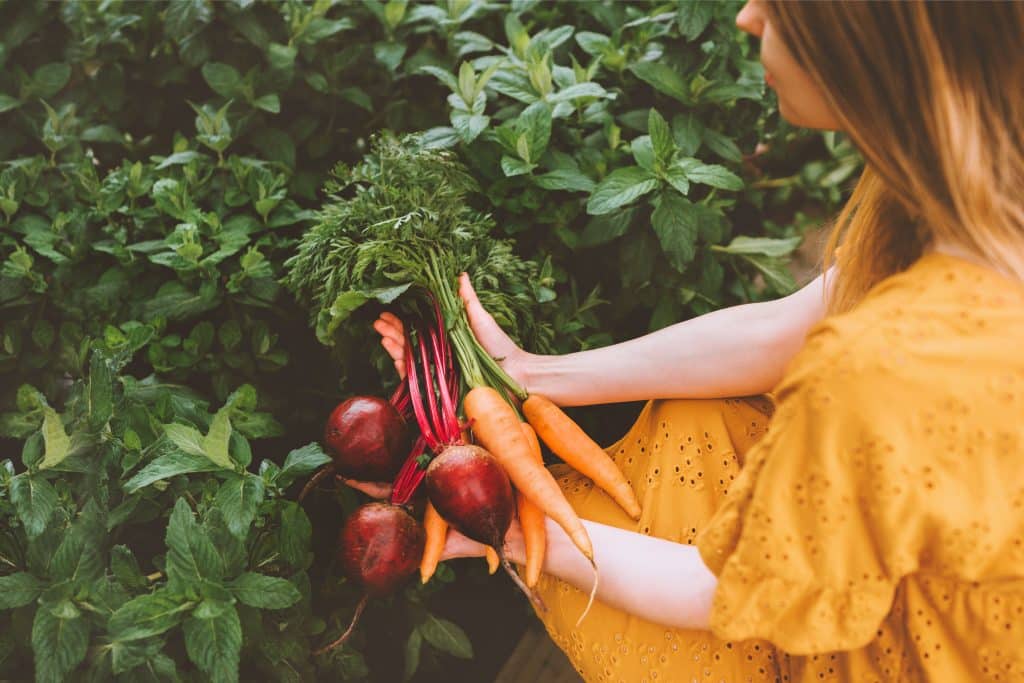
Creating a Thriving Vegan Kitchen Garden
A vegan kitchen garden is a garden that should serve your vegan kitchen while being a little different from your average edible garden. But how is a vegan kitchen garden different? It’s not just about growing fresh foods, but also about mindfully integrating the needs of local wildlife and plants. A vegan kitchen garden is not just a garden that is grown anywhere without consideration of the local landscape. It is a garden in which the encouragement of pollinators, the helping hand of companion plants, and the thriving of local plants and wildlife is prioritized.
Ideally, your vegan kitchen garden will also be full of the foods that you love to eat. It will help you to be more food self-sufficient, which will in turn free you from damaging and harmful supply chains.
The following are some pointers to help you start thinking about your vegan kitchen garden project:
Vegan Gardening For Diverse Backyards
Gardening as a vegan is not just about growing your own vegetables, herbs, and fruits—it’s about cultivating a space that respects all living beings and the environment. In California, where water conservation and climate considerations are essential, a vegan kitchen garden can thrive with careful planning, sustainable practices, and a focus on plant-based inputs. The principles of vegan gardening apply anywhere: from urban allotments and small urban yards, to larger backyard plots, the goal is healthy soil, diverse crops, and minimal impact on animals. With a kitchen garden, vertical planting, raised beds, container planting and other efficient forms of planting can cater for all the herbs and veg you need for a balanced vegan diet, and will make your garden efficient and space-saving if you live in an urban area.
Choosing Soil, Location, and Plants
The foundation of a successful vegan kitchen garden begins with your soil. The soil should be prepared deeply and enriched with organic, plant-based compost or green manures like clover or peas. Avoid animal-based fertilizers, and consider raised beds or containers in urban areas to minimize contamination by chemicals in the soil. Place your garden away from streets to reduce exposure of edible plants to pollution.
Focus on vegetables, herbs, and native species that thrive in your climate. In California, tomatoes, kale, Swiss chard, peppers, beans, and carrots flourish, while herbs like basil, oregano, rosemary, and parsley provide flavor and natural pest control. There are many climate-ready natives that can thrive in your vegan kitchen garden, like California coffeeberry, white sage, or coral yucca to support local pollinators and conserve water. Seasonal planting helps you eat year-round. Cool-season crops such as beets, lettuce, and cabbage grow well in fall and winter, while tomatoes, peppers, and summer squash thrive in spring and summer.
Connecting the Garden to the Kitchen
A vegan kitchen garden should be designed to provide a continuous supply of ingredients for plant-based meals year-round. Leafy greens like kale, spinach, and Swiss chard can be harvested throughout the cooler months for salads, sautés, and soups. Root vegetables such as carrots, beets, and radishes offer hearty options in winter and spring. Herbs such as basil, oregano, rosemary, thyme, parsley, chives, and mint, serve as the backbone of a vegan meal plan, adding flavor, nutrition, and aroma to dishes while reducing reliance on store-bought seasonings. Perennial plants like asparagus or fruiting shrubs can provide seasonal harvests over multiple years. By planning your garden around what you cook most often, you can create a seamless loop from garden to plate.
Vegan Gardening Practices
Vegan gardening emphasizes plant-based soil nutrients, companion planting, and sustainable water practices. Especially if you are living in a dryer climate, mulch with leaves or wood chips to retain moisture, and use drip irrigation to conserve water. Crop rotation and green manures improve soil health naturally, while barrier methods, netting, and plant-based sprays help control pests without harming wildlife. Unlike conventional gardens, vegan gardens avoid animal products. Many fertilizers unfortunately include ingredients like manure or bone meal. Check the label carefully.
Pollinators and Ethical Considerations
Supporting pollinators is critical for a productive garden. Eating food from your own garden can help you avoid exploitative practices like migratory beekeeping, that is often used in the production of fruits and vegetables you buy in the supermarket. Wild bees, hoverflies, and wasps can provide sufficient pollination, and encouraging native flowering plants in your garden also helps sustain local pollinators naturally.
Advanced Vegan Gardening Methods
Vegan gardening can also go beyond traditional planting to include lasagne gardening, straw bale methods (using animal-free straw), and veganic permaculture or forest gardening. These approaches focus on building healthy soil and creating diverse, self-sustaining ecosystems without relying on animals. On a smaller scale, producing your own compost from kitchen scraps and garden waste creates nutrient-rich soil, while cover crops provide nitrogen, suppress weeds, and protect against erosion.
Creating a vegan kitchen garden is about more than growing food—it’s about aligning your gardening practices with ethical, sustainable, and environmentally conscious principles. Whether you are living in California or anywhere else, a thoughtfully designed vegan garden can provide a vibrant, productive, and compassionate space for growing the food you love that supplies your kitchen and provides nourishing meals year-round.
If you are working on your vegan kitchen garden project, whether designing your garden or incorporating new gardening methods to an existing garden, our vegan home and garden design consultants can help you to make changes in a mindful, compassionate, and informed way. We combine ten years of research into the science of environmentally friendly and cruelty-free design with a fun and creative approach to your project. We are based in San Diego, CA and Bozeman, MT. We work with people in diverse locations both nationally and internationally, with different climate and ecosystem considerations. Contact us to learn more about our vegan and cruelty-free design services.