
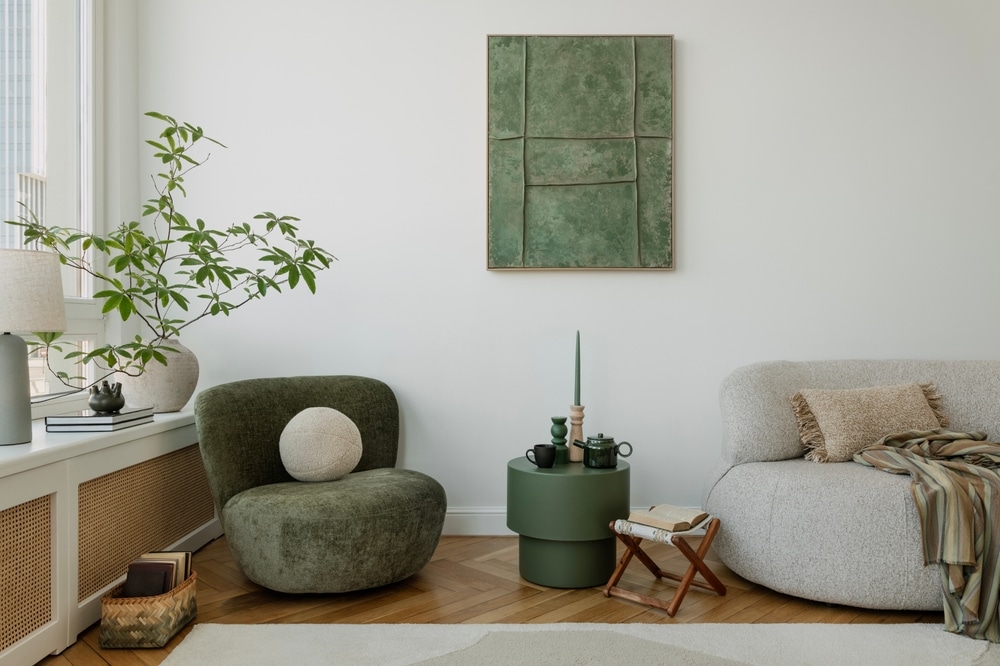
Vegan Design Trends in the New Year
Vegan design is more than a trend, it has earned a place in interior design as an innovative and compassionate approach that creates a healthier and more wholistic living space. It’s no longer viewed a niche interest, it is its own branch of design that gets more creative every year. As each year passes, scientists and designers work on refining new plant-based materials, pursuing compassionate sourcing and establishing ethical certifications.
It’s important to point out however, that not all Vegan Design is created equally. The materials in some Vegan Design use petrochemicals and other harmful chemicals, so look for sustainability certifications in addition to vegan certifications.
Why Vegan Design is Leading Interior Design Aesthetics
For the new year, vegan, sustainable, natural and innovative materials like hemp, bamboo, and mushroom leather (Mylo) for furniture and décor are likely to increase in popularity. Interior design has taken a lead from Vegan Design in recent times, embracing natural earth toned paints, textured natural furnishing materials and biophilic design elements with materials like jute and stone. Plant-based alternatives to materials like leather and polyester are not going anywhere, with new and evolving materials like pineapple leather and algae-based textiles. Vegan Design is leading aesthetic trends, informing minimalistic but naturalistic design, such as wood panelling, stone countertops and design that highlights the idiosyncratic beauty of natural materials.
Key Vegan Design Trends to Invite into Your Home in 2026
Innovation in materials Expect more sophisticated vegan leathers (Piñatex from pineapple, mushroom-based leather) and textiles (bamboo silk, hemp, organic cotton) replacing animal products in furniture, fashion, and decor.
Biophilic & natural focus Bring nature back home with natural shapes, earth tones, reclaimed wood, and plant fibers (jute, flax, coir) for a calming, organic feel. See also: working with natural organic forms like driftwood and sea-glass.
Vegan design aligns with health and wellness goals We are already seeing a growing demand for non-toxic, chemical-free home furnishings, using natural fillings (buckwheat, organic cotton) for bedding and choosing plant-based paints.
Minimalism & multi-functionality Expect to see a minimalist approach that values fewer, multi-functional, and modular pieces. This reduces waste, saves space and makes spaces more adaptable.
Ethical Sourcing Veganism has led a general trend for cruelty-free production, even in areas like candles (avoiding animal musk) and packaging (plastic-free). Expect these trends to grow as Vegan Design steers consumers away from harmful production processes and supply chains.
How to Incorporate Vegan Design for the New Year
Start Small: If you are not ready for a complete design overhaul, you can start by choosing to replace a few items in your home, like a pillow, rug, or accent piece. Or you can begin by focusing on one room, like the living room or kitchen. Often, vegan kitchens are where a design rethink begins, because they also serve a conscious vegan lifestyle that includes preserving, cooking and even growing plant-based foods.
Rethink Big Purchases: If you are purchasing a new furniture set, dining room set or bedding, you should opt for fully vegan sofas chairs and furnishings made with innovative materials. It might take more research, but your purchase will support emerging vegan suppliers and bring furniture to your home that will stand the test of wear and without fueling cruel production processes.
Embrace Natural Materials: Use natural dyes, live plants, and raw wood elements. You may even want to begin with your own creativity by dyeing fabrics, weaving or other crafts that will bring unique character to your home. Buying sustainable vegan pieces that are made with traditional methods can also support indigenous craft guilds and communities.
Choose Plant-Based Fillings: Swap feather duvets for organic cotton or buckwheat pillows. These materials are not only cruelty-free, they are also less likely to cause allergies.
Use Vegan Paints: There are non-toxic, low VOC paints, but not all of these paints are vegan. Choose paints that are free from animal products, such as many animal-based binding agents.
Shop Consciously: Support brands using sustainable, ethical, and plant-derived materials. This makes you more than a consumer, it’s a way of supporting a compassionate supply chain and elevating Vegan Design from a trend to a way of life that’s accessible to all.
Supporting Your Transition to Vegan Design in the New Year
For people who want to incorporate Vegan Design more fully into their lives, this transition requires research, reflection and planning. At Earth Science Design we make the process easier, whether you are introducing Vegan Design into your home piece by piece or doing a complete design overhaul. Whatever the scale of your project we are here to bring over 10 years of research into the science of Vegan and sustainable design to your project. We have offices in San Diego, CA and Bozeman, MT and we work with clients nationally and internationally. Contact us for a consultation on your vegan design project or vegan lifestyle transition.