
What is an Evening Scentual Garden? How to Have a Beautiful Moon Garden that’s a Safe Haven for Animals
While we might think of gardens as a place to relax in the sunshine, they can also be calming spaces during the evening hours. In fact, enjoying your garden during the evening can actually be a more immersive sensory experience, allowing you to navigate your environment using more senses than sight alone.
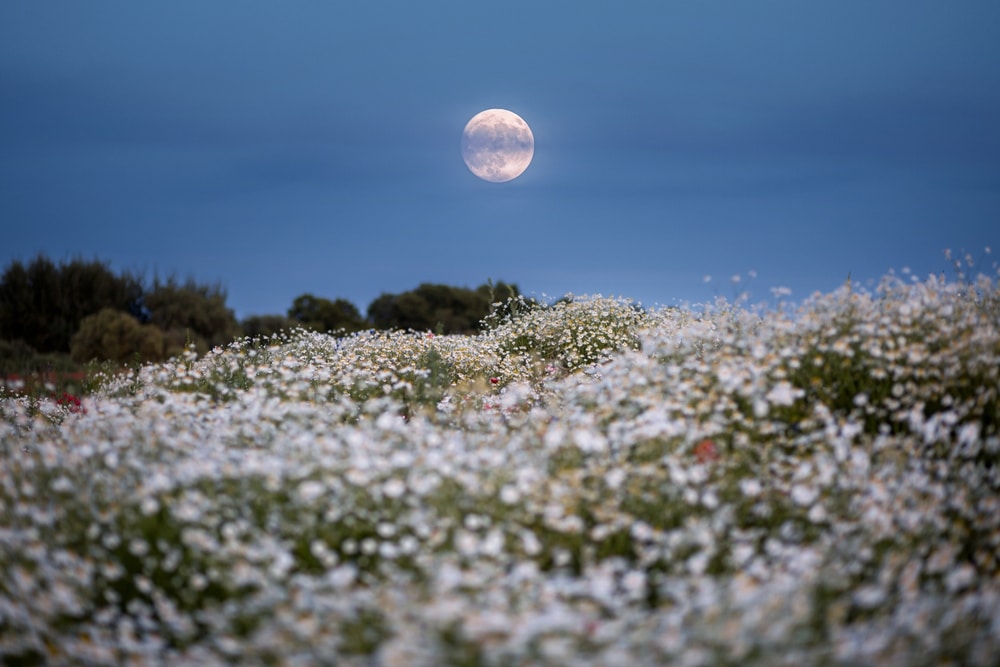
A scentual garden is a garden planted with flowers, trees and shrubs that add scent to the air. An evening scentual garden takes into consideration the experience of enjoying your garden after dark. It may focus on plants that stimulate the olfactory senses, but also share characteristics with a moon garden, which is a garden that celebrates the silver tones of moonlight by adding plants with white blooms or silver foliage that glow after dark.
The Healing Power of Scent
The healing potential of a scentual garden is profound. Aromas can have powerful effects on the nervous system, reduce stress, elevate mood, and even influence memory and focus. Many gardeners lean into the therapeutic aspects of their gardens by distilling their own essential oils or creating herbal sachets from the plants in their garden. Plants such as lavender, yarrow, and mint can be used in teas, infusions, or aromatherapy.
What is Plant Fragrance? Why Are Many Plants More Fragrant At Night?
Fragrance also plays a key role in plant reproduction. Flowers use scent to attract pollinators, including those most active at night. Many plants that are virtually scentless during the day release their perfumes after dusk to lure nocturnal pollinators such as moths and bats. This strategy secures pollination for the plant, and humans can reap the benefits of the beautiful, soothing night-time aroma.
Of course, plants do not emit fragrance purely for human enjoyment. Scents often serve critical plant functions. Some plants produce odors to deter herbivores. For example, yarrow’s scent is unappealing to deer, protecting the plant from being eaten. Other plants release chemical signals in response to threats, such as tomato plants, which emit a fragrance when attacked by hornworms, attracting braconid wasps that parasitize the caterpillars and protect the plant. Similarly, goldenrod can send olfactory signals to neighboring plants, warning them of pest attacks. When your scentual garden is working well, it is working for you and the plants that grow in your garden. A balanced and healthy ecosystem will serve everyone who inhabits it.
Creating a Safe Night Garden for Plants and Wildlife
While enjoying your garden at night, it’s important to make it safe for the plants and animals that live there. Many nocturnal pollinators and beneficial insects are sensitive to artificial lighting, which can disrupt their natural behaviors. To protect them, choose low-intensity, warm-colored lights and position them carefully to minimize light spill onto plants and wildlife habitats. Solar-powered path lights, lanterns, or string lights with warm LEDs can illuminate your garden without overwhelming the ecosystem.
Avoid using harsh white or blue-toned lights, which can disorient insects and nocturnal animals. Incorporate natural barriers, such as mulch, hedges, or raised beds, to protect plants from pests without harming beneficial wildlife. Companion planting and careful garden layout can also help create a balanced environment that supports insects, birds, and other animals while allowing your garden to thrive. By considering the needs of all living creatures, your evening scentual garden becomes not only a healing sensory experience but also an ethical and sustainable sanctuary.
The Health Benefits of Reduced Sensory Stimulation
The health benefits of dim, warm-toned lighting at night are well known. Rather than winding down indoors in front of a screen under harsh lighting, spending the evening outdoors can help you relax and regulate your circadian rhythm. Sensory deprivation or the intentional use of certain senses can reduce our reliance on sight, (if we are sighted), and can improve our alertness, our brain function and our emotional regulation. With the sensory overload we are exposed to in our modern environment via screens, urban light and sound pollution, a moon garden that is full of plants with silver foliage, glowing white blossoms, and beautiful scent, can be a restorative haven.
Designing a Scentual Moon Garden
Designing a scentual garden with evening enjoyment in mind encourages mindfulness, relaxation, and a deeper connection to nature. By combining fragrant, night-blooming plants, textured and reflective foliage, and responsible lighting practices, you can create a healing space that nurtures both body and spirit. Evening scentual gardens remind us that the full richness of a garden isn’t just in the light of day it’s also in the quiet, fragrant moments of night.
If you are looking for guidance when designing your garden or backyard sanctuary, our compassionate, green interior design, exterior design and garden designers can advise you on the best ways to create a beautiful space, whether you are working with a small urban backyard or a bigger lot. We are based in San Diego, CA and Bozeman, CT, and we do consultations both nationally and internationally, honing in on the specific ecosystem where you live and offering solutions that work with your environment and protect local wildlife and plants. Contact our team to learn more.